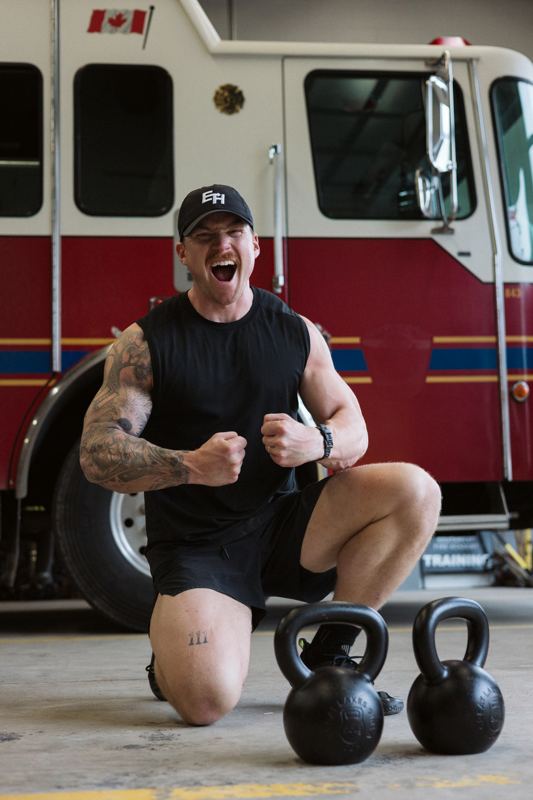
Everyday Heroes Fitness





★★★★★Trusted by 1,000+ first responders
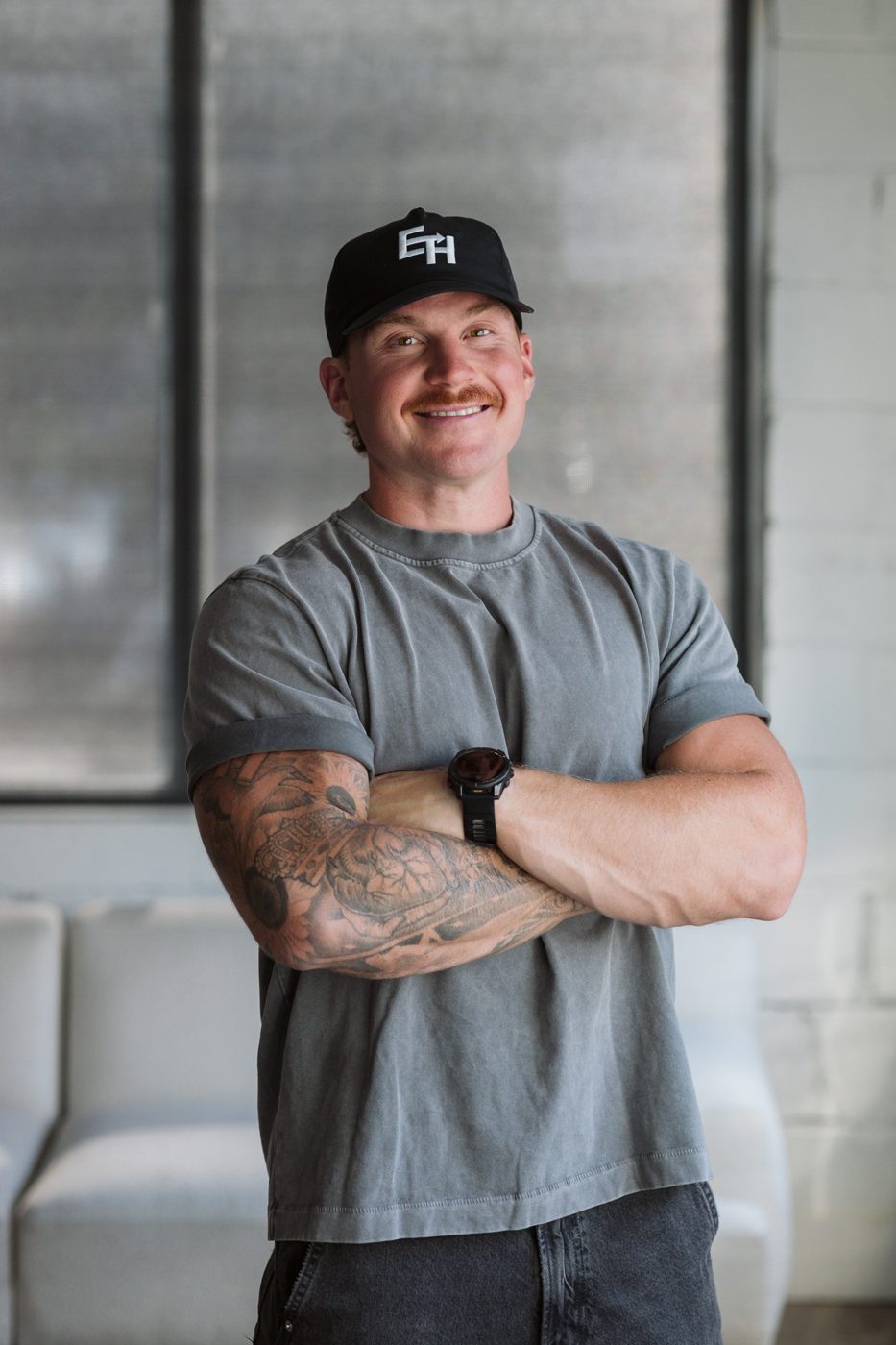
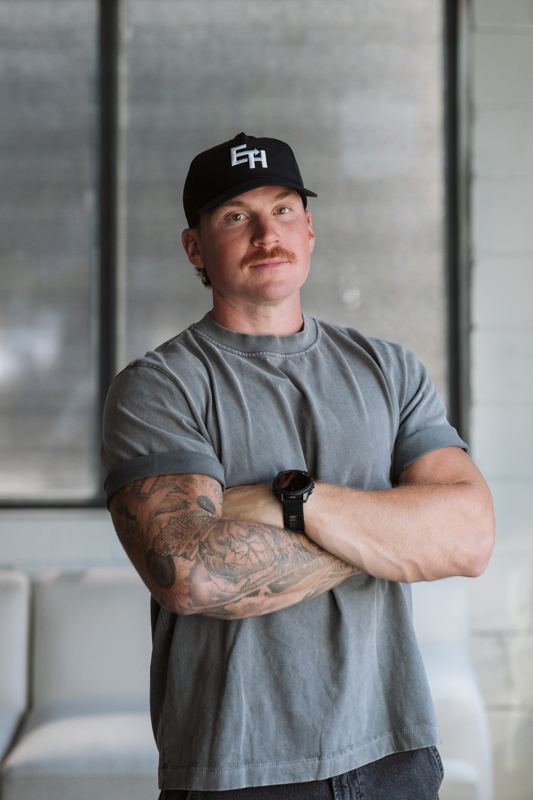
“Mitch Gourley — Founder of Everyday Heroes Fitness · Coach to 1,000+ First Responders · 551K on Instagram”
Without skipping station meals, counting every calorie, or a diet that falls apart the first time you get toned out at 3 AM.
Tap play on the video below
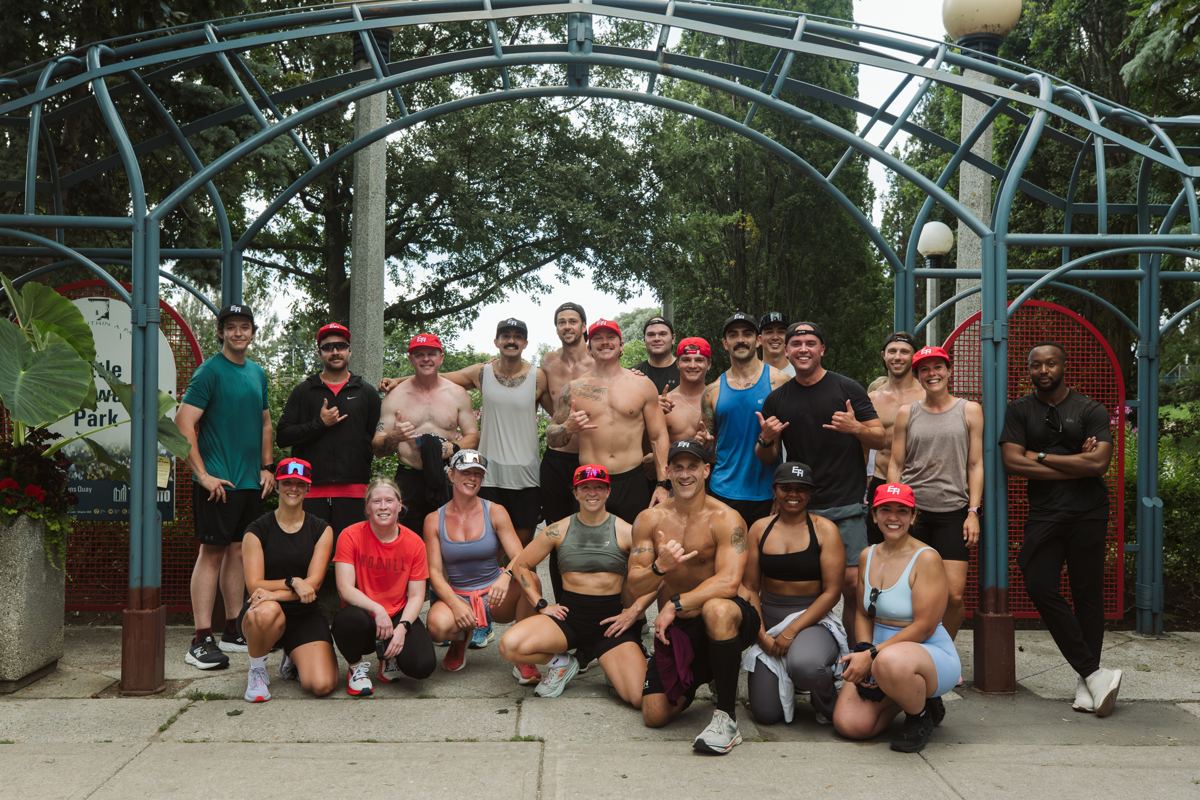
Over 1,000 firefighters, paramedics, police officers and nurses have trained with Mitch. This is for you if…
One guide. Built around the shift calendar, not a 9–5. A clear path from “I’ll start after this block” to leaner, lighter and fit for duty in 28 days.
Four weeks. Each one built around the shift schedule — so the plan bends with your roster instead of breaking on it.
Why the “eat less, move more” advice keeps failing shift workers — and the three rules that make fat loss work when your sleep, stress and schedule don’t.
The full shift-day protocol: what to eat before you clock in, what to bring, how to handle crew dinner, and what to do when you’re up at 3 AM.
Off days are where most firefighters gain the weight back. Here’s how to eat when you’re home, wrecked, and the family wants pizza.
How to adjust the plan as the scale moves, keep your strength for the job, and make this the last “diet” you ever start.
With your order today
Everything below is included with your $17 today.
What it is: a one-on-one call with a coach who works with firefighters, paramedics, police and nurses every single day — not a generic “nutritionist.” You book it right after checkout.
What you walk away with:
What it is: after checkout you fill in a 2-minute form with your actual shift pattern. We send back the 28-day plan laid over your calendar — Day 1 is your next shift, not a random Monday.
What it does for you:
What it is: twenty high-protein dinners that feed a crew of 4–6 for under $5 a plate, cook in one pan or one tray, and still fit your fat-loss targets. Chilli, smash burgers, sheet-pan fajitas, loaded rice bowls — food the guys will actually eat.
What it does for you: every recipe has a “my plate” portion guide, so you hit your numbers while the crew gets fed. No more being the guy eating tuna out of a can at the table.
What it is: the tones drop at 2:40 AM. You’re back at 4:15, wired, and the snack drawer is calling. This is the exact step-by-step for those hours: what to drink, what to eat (and how much), and how to get back to sleep without a 900-calorie detour.
What it does for you: it stops one bad night from erasing a good week. Save it to your phone and run it after every call — it’s the difference between a plan that holds and a plan you restart every Monday.
What it is: one page that answers “what do I eat right now?” — your go-to breakfasts, shift lunches, crew-dinner swaps, gas-station picks and the 10 snacks that fit the plan.
What it does for you: zero decisions when you’re tired. Laminate it for the station fridge; use the phone version at the grocery store or the drive-through on the way back from a call.
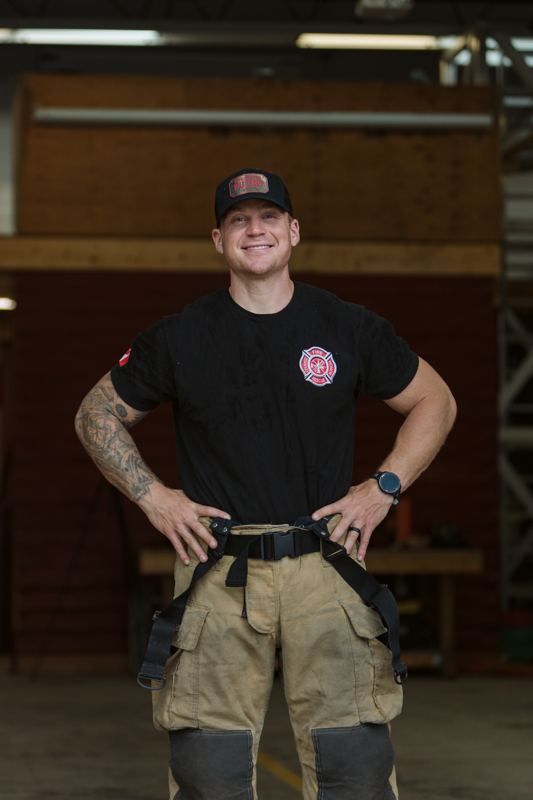
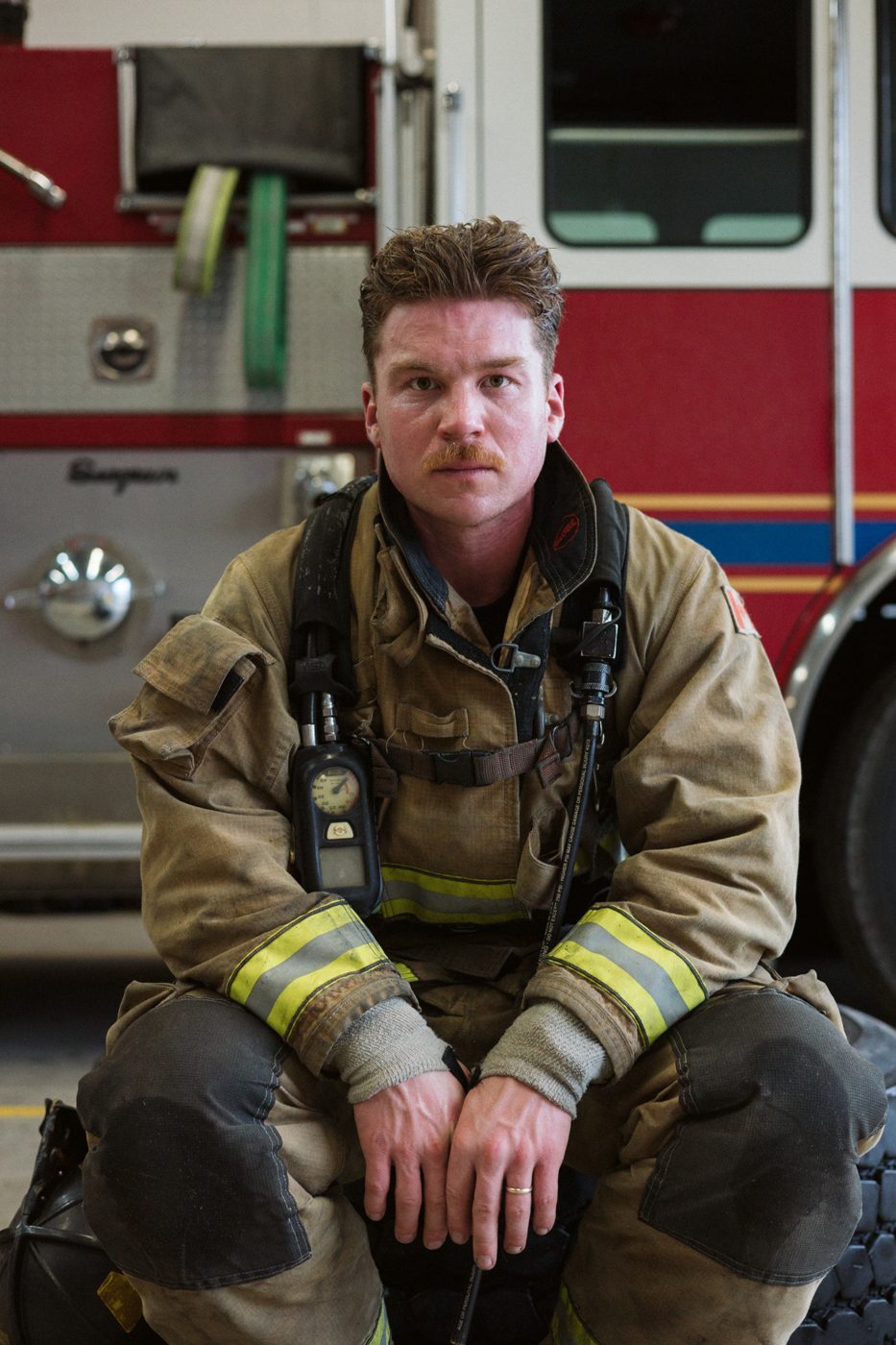
Mitch isn’t a fitness influencer who woke up one day and decided to “niche down.” He’s spent years coaching firefighters, paramedics, cops and nurses — and he built Everyday Heroes Fitness because every program his clients tried was written for someone with a 9–5, eight hours of sleep and a kitchen at home.
He watched good firefighters get slower and heavier every year, not because they were lazy, but because 24-hour shifts, crew meals and 3 AM calls break every “normal” diet. So he went back to basics: what can a first responder actually eat, cook and stick to on a real roster?
The answer became the Shift-Proof System — protein-anchored meals, eating timed to the shift instead of the clock, and food simple enough to make at the station. It’s helped over 1,000 firefighters, paramedics, police officers and nurses lose 20, 28, 41 pounds — passing CPATs, dropping back pain and getting hired full-time along the way.
Today he runs Everyday Heroes Fitness with his wife Markee and a team of 20, and 551,000 people follow his full-day-of-eating posts on Instagram. The Firefighter Fat Loss Meal Guide is the simplest way to start.
Most diets hand you a calorie number and a schedule that assumes you sleep every night. The Shift-Proof System is built on how a first responder actually lives — so it works with your roster, not against it.
Every station meal, off-day meal and snack is built around a protein target first. You stay full, keep your strength, and the fat comes off without counting every calorie.
Shift days, off days and “day after” days each get their own plate. Same foods, different amounts — so a 24 with three night calls doesn’t reset you to zero.
One pan, one tray, 30 minutes, crew-approved. If it can’t be made in a firehouse kitchen or packed in a turnout bag, it isn’t in the guide.
You stop white-knuckling your way through diets. You eat real food, hit a protein target, and lose the weight without giving up crew dinners or living off chicken and rice.
Every diet dies on your first 24?
Week 2 + the Night-Call Survival Protocol give you the exact shift-day plate and the 3 AM plan — so the shift stops resetting your progress.
Sick of eating different food than the crew?
The Station Cookbook + crew-dinner swap rules mean you eat what they eat — just built for your numbers.
Scared of losing strength for the job?
Protein-anchored meals and Week 4 keep your muscle and power — you get lighter, not weaker.
Don’t have time to meal-prep all Sunday?
One 90-minute prep block covers the shift cycle — and half the recipes need no prep at all.
This is the most common question we get — and the honest answer is that the guide is built for anyone whose schedule breaks normal diets.
Paramedics on 12s, police on rotating nights, nurses on three 12-hour shifts, military, correctional officers, dispatchers — Mitch’s clients come from every one of those. The problem is the same: irregular sleep, long hours, food you didn’t choose, and adrenaline at hours you should be asleep.
You don’t have to take our word for it. Read Week 1, follow the shift-day plate on your next shift, and let the scale on your day off speak for itself.
Since you’ve read this far and haven’t ordered yet… I’m assuming you’re interested but still on the fence. I get it — you’ve probably bought a plan before that fell apart the first week you were on nights.
So let’s take all the risk off of you, and I’ll take it all on.
Here’s how it works: get the guide. Read Week 1. Follow the shift-day plate on your very next 24 — including the crew dinner and whatever the night throws at you.
One of two things will happen. One — it works, and you finally have a plan that survives the job. Or two — it doesn’t. Then you message my team within 30 days and we refund every penny. You keep the bonuses.
That way, the only possible outcome is you win.
For the scrollers…
I get it — you’re busy and you want to cut to the chase. Here’s the short version of everything you get for just $17:
No — it’s impossible on plans written for people who sleep eight hours a night. Shift work changes your hunger, your sleep and your schedule, so the plan has to change too. That’s the whole point of the guide: shift days, off days and “day after” days each get their own plate. Over 1,000 first responders have lost weight on rosters just like yours.
Instant, lifetime access to the full Firefighter Fat Loss Meal Guide — the 28-day shift-proof meal plan, 60+ station-friendly recipes, your protein & calorie targets, the Shift-Day Eating Protocol and grocery/prep lists — plus five free bonuses: a 1:1 First Responder Nutrition Consultation, your Shift-Schedule Meal Calendar, the Station Cookbook, the Night-Call Survival Protocol and the Fireground Fuel Card.
No. Eating with the crew is part of the job and part of the plan. The guide gives you portion and swap rules for crew dinners, and the Station Cookbook is 20 meals that feed the whole table while fitting your numbers.
No. You eat carbs — you need them for the fireground. The system is built on a protein target and portions that change with your shift, not on banning food groups. Nothing in here is extreme enough to break on a bad night.
Because you’ve been trying that for years. A 45-minute workout can’t undo a 24 with two night-call snack runs and a crew dinner. The guide fixes the eating so your training finally shows — and Bonus #4 covers how to train for the job while losing fat.
Not if you follow the plan. Every meal is protein-anchored specifically to keep muscle while you lose fat, and Week 4 covers eating to keep your power for the fireground. Clients routinely get lighter and pass their CPAT faster.
No. You get your protein and calorie targets done for you by bodyweight, then the plan uses plates, portions and swap rules. If you like tracking you can, but the guide is built so you don’t have to.
One 90-minute prep block covers a full shift cycle, and about half the recipes are “assemble, don’t cook.” Everything is 30 minutes or less, one pan or one tray, and doable in a firehouse kitchen.
That’s Bonus #3 — the Night-Call Survival Protocol. What to drink, what to eat and how much, and how to get back to sleep without the 900-calorie detour that undoes a whole week.
Yes. Swap “24” for “night shift” or “12-hour rotation” and every rule holds. Mitch’s clients include paramedics, police, nurses, correctional officers, military and dispatchers.
No. The targets are set by bodyweight and goal, not gender, and a large share of Everyday Heroes clients are women in fire, EMS, policing and nursing.
Yes — 30 days, no questions asked. Read Week 1, follow the shift-day plate on your next 24, and if it doesn’t help, email us within 30 days for a full refund. You keep the bonuses.
$17 gets you everything on this page, and the 1:1 Plan Review is there to fit the plan to your roster, not to pressure you. If you later want Mitch’s full coaching we’ll tell you about it — but nothing is required.
Everyday Heroes Fitness is Mitch’s coaching company for firefighters and first responders — fit for duty, fit for life. The meal guide is the simplest way to start; if you want deeper coaching later, we’ll show you how, with no obligation.